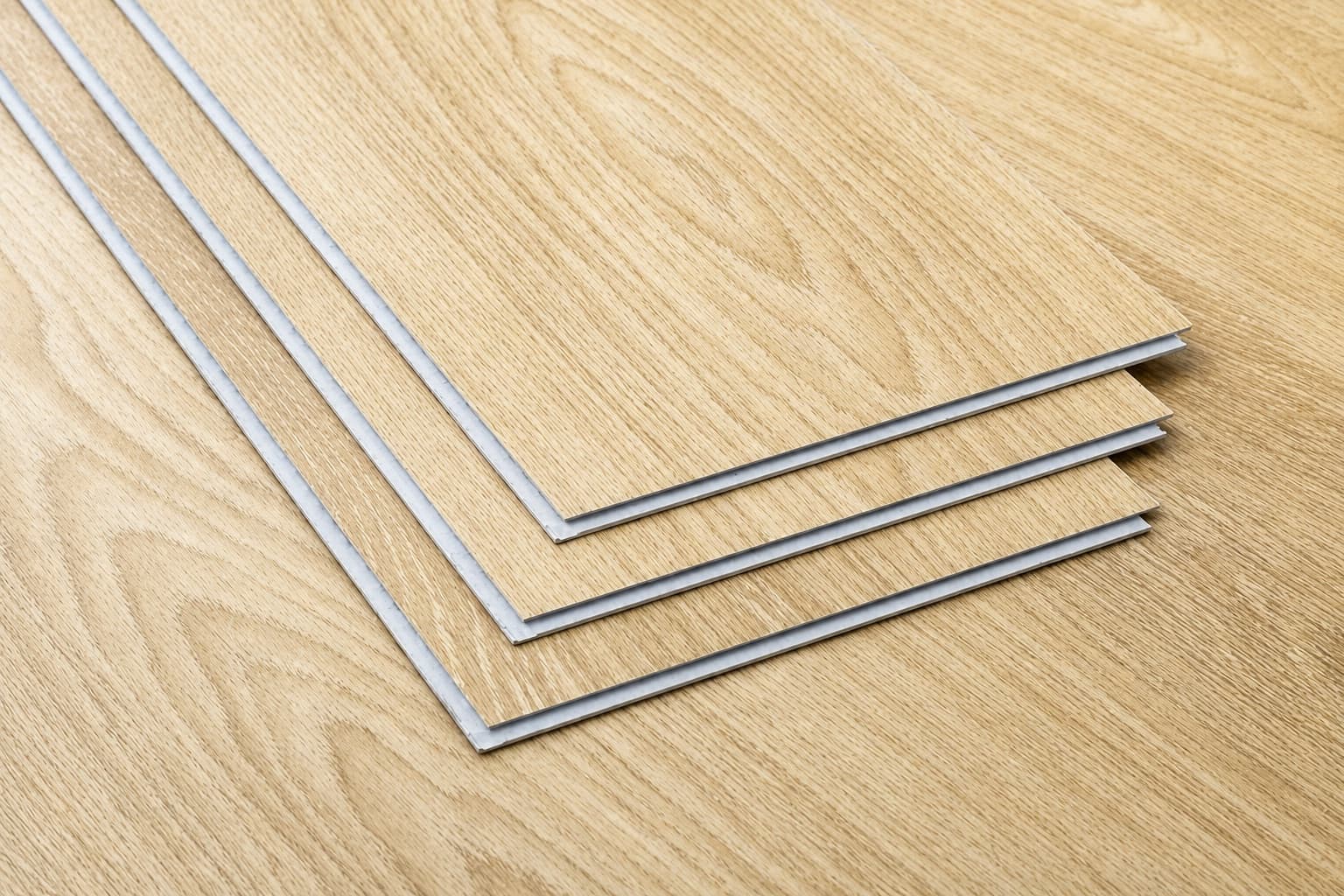
Product photo
Board and lock edge
The lock edge is where a weak SPC core often shows problems first. Quality review starts with the physical board, not the colour name.
SPC quality control
Enoch checks the core, click-lock edge, product record, site condition and installation scope together. A nice colour sample is not enough proof for long-term flooring.
Real product reference
A useful QC review starts with the physical board and lock edge, then connects production route, packing condition and product files before the buyer compares quotes.
Board
Physical sample
QC
Factory check
Files
Product record
What is checked
Product photo
The lock edge is where a weak SPC core often shows problems first. Quality review starts with the physical board, not the colour name.
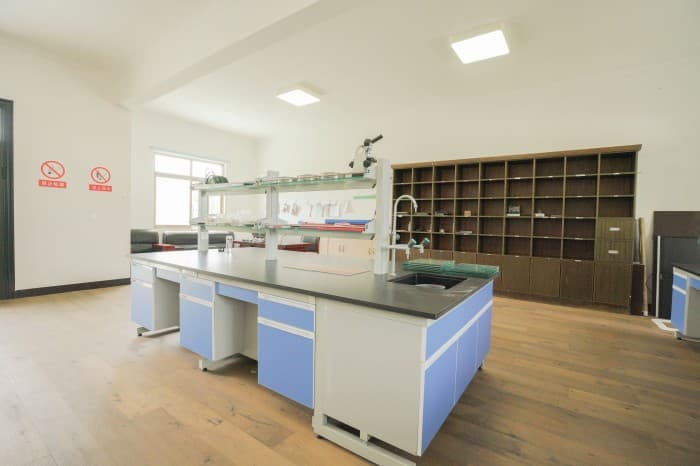
QC photo
Product records, document requests and board checks should point to the same product family or SKU.
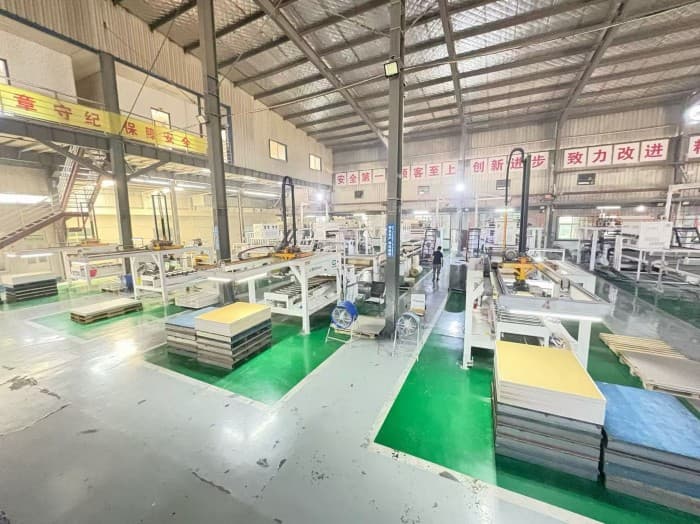
Production photo
Core and surface consistency have to be controlled before colour selection becomes meaningful.
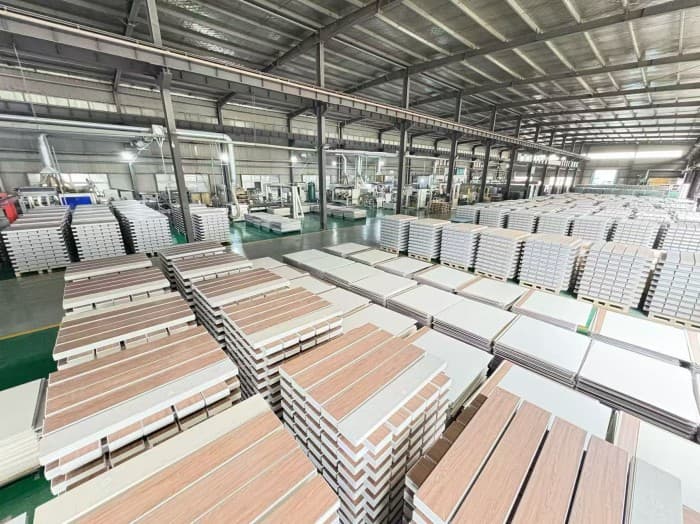
Packing photo
Packing, labels and stock condition matter because the board still has to arrive ready for the site.
PVC is the binding and toughness part of the SPC core. When there is enough binding strength, the board has a better chance of holding the stone powder together and protecting the click edge.
Stone powder gives firmness and weight, but too much filler can make the core harder and more brittle. A brittle edge is easier to chip, crack or lose grip during installation and daily use.
The surface can still look new while a weak lock starts failing. Enoch checks the lock as a thin working edge, not just as a line on a sample board.
A wear-layer claim should match the selected SKU or product sheet. The useful question is not only thickness, but whether the product record matches the board being quoted.
SPC is chosen for wet-cleaning and Singapore indoor conditions, but water exposure still needs common sense: edges, subfloor moisture, trapped water and maintenance method matter.
Impact risk is usually seen first at corners, tongues and grooves. A useful review looks at whether the edge can handle cutting, tapping, furniture load and daily movement.
Durability should connect the selected SKU, wear layer, room use, furniture load, cleaning method and care terms. A general durability phrase is not enough proof.
Quality control continues after production. Packing, batch consistency, product labels and current documents should support the product that reaches the buyer.
Before price
A reliable flooring decision needs a product record and a site record. That is how buyers avoid comparing a real scope against a vague number.
Product family and SKU match the quotation.
Core formula explanation is consistent with the product being offered.
Wear layer, thickness and finish details match the product sheet.
SPC is planned only for straight plank or standard staggered installation.
Warranty and care terms match the selected product, site condition and written quote.
Water exposure, impact risk and daily-use durability are checked against the real room.
Photos, floor plan and existing surface are reviewed before final scope.
What to distrust
A board can feel hard in the hand but still be brittle at the lock. The click edge is thin, so toughness matters more than a heavy sample feel.
A useful quote should connect product, area, existing floor, trims, skirting, preparation, installation assumptions and timing.
Certificate badges, catalogue graphics or old files do not replace a current product sheet, technical sheet, warranty/care terms and version details.
Next step
A floor plan, room photos, approximate area, existing floor and timeline are enough to start. Enoch will connect the product choice, documents and site condition before final scope.
Project details
Share the room, product interest, area or timeline you already know.
Add one more detail.
Product
Space