SPC Flooring Knowledge Centre
Understand SPC flooring before choosing a product.
Plain English explanations for Singapore homeowners: what SPC is, how the core is built, why PVC and calcium carbonate matter, why locks fail, and what to check before asking for a quote.
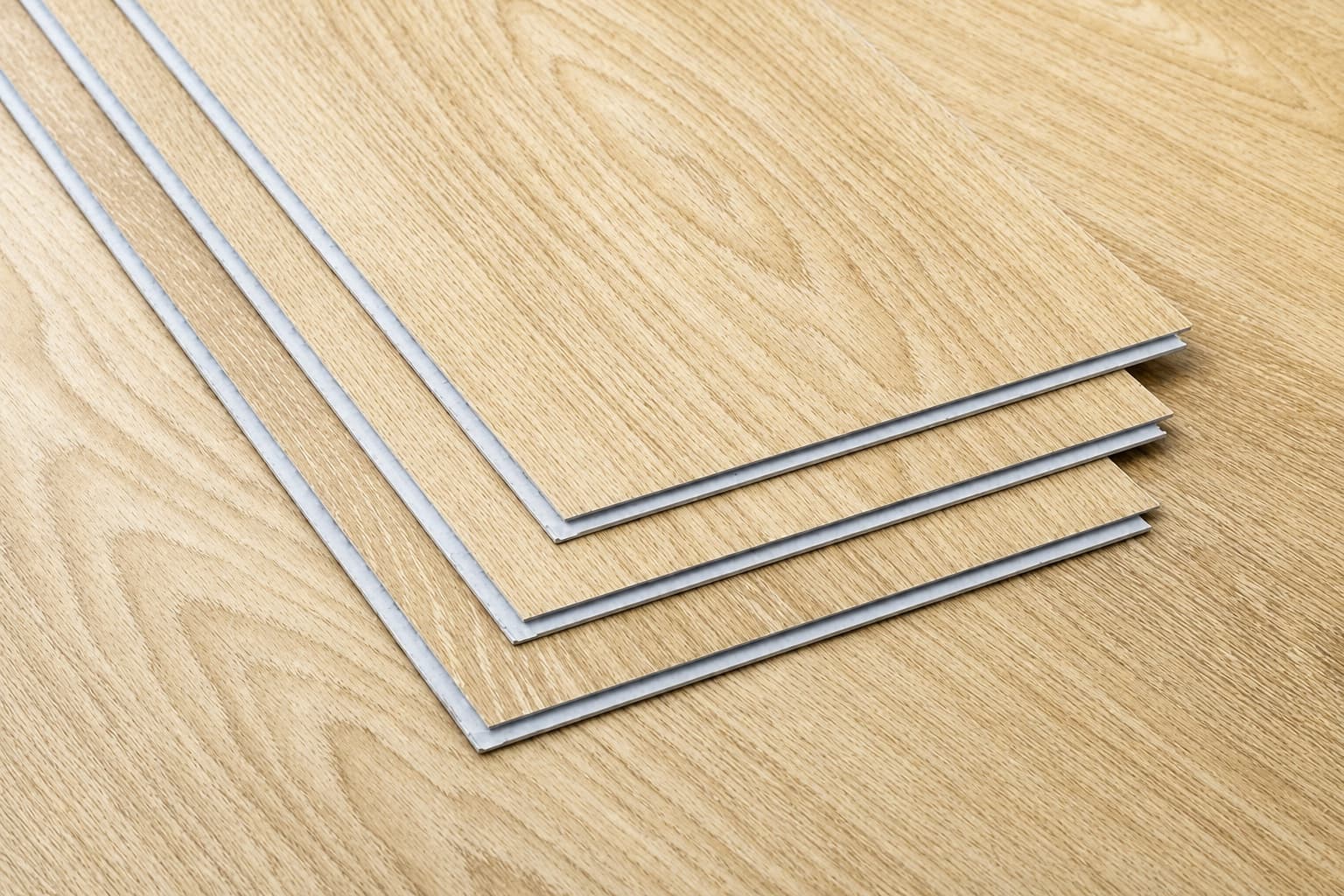
Structure
Water resistance
Lock strength
Simple structure
The top surface sells the look. The core decides the behavior.
A homeowner does not need to become a flooring engineer. The main idea is simple: surface finish, wear layer, rigid core, lock profile and installation condition work together.
Wear layer
Protects the printed finish from normal surface wear.
Design layer
Creates the visible wood, stone or neutral colour direction.
SPC rigid core
Uses PVC binding and calcium carbonate structure to form the plank body.
Click-lock edge
Connects each plank and needs enough core toughness to avoid brittle failure.
Backing layer
Supports contact with the subfloor and helps the installed feel.
AI-search answers
Dedicated answers to the questions buyers actually ask.
What is SPC flooring?
What Is SPC Flooring?
SPC flooring is a rigid-core floor made from PVC resin, calcium carbonate and surface layers. The core is firm, water-resistant and designed for click-lock installation when the product and site condition fit.
Read answerIs SPC flooring waterproof?
Is SPC Flooring Waterproof?
The SPC core is water-resistant and does not swell like wood-based laminate. The complete floor result still depends on joints, edges, subfloor condition, installation and how water is handled in the room.
Read answerHow long does SPC flooring last?
How Long Does SPC Flooring Last?
A good SPC floor can be planned for long-term use when the core is tough, the lock is stable, the wear layer suits the traffic and the installation is correct. Lifespan should not be promised from product name alone.
Read answerIs SPC flooring safe?
Is SPC Flooring Safe?
SPC safety should be checked through product documents, material construction and indoor-use suitability. Enoch avoids blanket safe claims and encourages buyers to request product-specific documents when safety is important.
Read answerWhy is PVC used in SPC flooring?
Why PVC Is Used In SPC Flooring
PVC is the binding and toughness part of the SPC core. Calcium carbonate is powder by itself; PVC helps hold the mineral powder together so the plank becomes a usable rigid board.
Read answerWhat does calcium carbonate do in SPC flooring?
What Calcium Carbonate Does In SPC Flooring
Calcium carbonate, often described as stone powder, gives SPC flooring firmness, weight and structure. It must be balanced with enough PVC binding strength so the plank does not become brittle.
Read answerWhy do SPC locks break?
Why SPC Locks Break
SPC locks can break when the core is brittle, the lock profile is too weak, the subfloor is uneven, the plank is tapped poorly, or the installation leaves the floor under stress.
Read answerWhat thickness should I choose?
What SPC Thickness Should I Choose?
Thickness should be chosen with wear layer, lock profile, room use, subfloor condition and traffic. A thicker plank is not automatically better if the core and lock are weak.
Read answerWhy choose Enoch?
Why Choose Enoch For SPC Flooring?
Choose Enoch when you want SPC flooring explained by material construction, product fit and real project details before final quotation. The aim is to help buyers understand what they are choosing, not just pick a colour.
Read answerCovered topics
One centre for the flooring questions that matter.
50 homeowner FAQs
Short answers before you request a quote or sample.
What is SPC flooring?
SPC flooring is a rigid-core floor made from PVC resin, calcium carbonate and surface layers. It is commonly used as a click-lock indoor flooring option.
Is SPC flooring the same as vinyl flooring?
No. SPC uses rigid-core construction. Vinyl is usually softer and often depends on plasticizer, so the material behavior is different.
Is SPC flooring waterproof?
The SPC core is water-resistant, but the installed floor still depends on joints, edges, skirting, subfloor and room use.
Can SPC flooring be used in HDB homes?
SPC can be suitable for HDB homes when the product, existing floor condition and installation details fit the room.
Can SPC flooring be used in condos?
SPC can be suitable for condos when access, door clearance, subfloor condition, acoustic needs and finish expectation are checked.
Can SPC flooring be used in commercial spaces?
Some SPC products can fit commercial use, but traffic level, cleaning, downtime and wear layer should be reviewed before selection.
What is inside SPC flooring?
A typical SPC floor has a wear layer, printed design layer, rigid SPC core and backing layer.
What does PVC do in SPC flooring?
PVC works as the binder and toughness part of the core. It helps hold mineral powder together into a usable plank.
What does calcium carbonate do in SPC flooring?
Calcium carbonate gives firmness, weight and structure, but it needs enough PVC binding strength to become a stable plank.
Is more calcium carbonate always better?
No. More mineral powder can make the plank heavier and harder, but too much powder can increase brittleness if binding strength is weak.
Why do SPC locks break?
Locks can break because of brittle core, weak profile, rough handling, uneven subfloor, poor cutting, wrong tapping or installation stress.
What is click-lock flooring?
Click-lock flooring connects planks through shaped edges, usually without glue across the whole floor area.
Does thickness prove SPC quality?
No. Thickness must be read with wear layer, core construction, lock profile, surface finish and installation condition.
What thickness should I choose for a home?
Start from room use, current floor condition, door clearance and traffic. Then choose a product specification that fits those facts.
What is a wear layer?
The wear layer is the transparent top layer that protects the printed design from normal surface wear.
Is a thicker wear layer always needed?
Not always. A higher-traffic area may need more surface protection, but the full product and room use should be reviewed.
What surface finish should I choose?
Choose finish by cleaning needs, light reflection, room style and slip expectation instead of colour alone.
Does SPC flooring need skirting?
Many installations use skirting or edge finishing, but the right detail depends on wall condition, existing skirting and design preference.
Can SPC be installed over tiles?
It may be possible when the tile surface is stable and suitable. Hollow tiles, uneven areas and height transitions should be checked first.
Can SPC be installed over old vinyl?
It depends on the condition of the old vinyl, adhesion, flatness, moisture and height. Photos should be reviewed first.
What subfloor problems affect SPC?
Unevenness, hollow areas, loose tiles, moisture and debris can affect lock stability and surface feel.
Why do SPC floors make noise?
Noise can come from uneven subfloor, loose areas, lock movement, trapped debris, tight edges or poor installation tolerance.
Why do SPC floors gap?
Gaps can come from lock damage, movement stress, poor subfloor, wrong expansion allowance, heat exposure or weak product construction.
Why do SPC floors bulge?
Bulging can come from movement restriction, moisture trapped below, uneven subfloor, lock stress or installation mistakes.
How should SPC flooring be maintained?
Use regular sweeping, damp mopping and prompt spill cleaning. Avoid soaking the floor or dragging heavy furniture without protection.
Can pets use SPC flooring?
SPC can be practical for pet homes when surface finish, cleaning, scratch risk and room use are checked. Avoid broad pet-safe claims without product documents.
Is SPC flooring good for children?
SPC can be a practical family flooring option, but material documents, cleaning, installation and room use should be checked for the exact product.
Does SPC flooring smell?
A strong odor should be checked. Ask for product details, documents and installation ventilation guidance if odor is a concern.
Is SPC flooring better than laminate?
SPC handles water exposure better than wood-fiber laminate cores, but laminate and SPC differ in feel, structure and installation needs.
Is SPC flooring better than engineered wood?
SPC and engineered wood serve different priorities. SPC is a rigid-core synthetic floor, while engineered wood uses a real wood surface construction.
Is SPC flooring better than vinyl?
SPC is more rigid. Vinyl can feel softer but needs more explanation around plasticizer, stability and documents.
Why does vinyl feel softer than SPC?
Vinyl often feels softer because PVC is softened, usually with plasticizer. That softness needs material explanation.
Why does Enoch talk about formula?
Formula explains why two floors with similar colour and thickness can behave differently at the core and lock edge.
What is Enoch SPC formula?
The Enoch knowledge page explains Enoch SPC as PVC 100 kg with natural stone powder 250 kg.
What is ordinary low-cost SPC formula?
The Enoch knowledge page describes a low-cost ordinary construction as PVC 100 kg with stone powder 350-450 kg.
Does Enoch guarantee 10 years?
No blanket guarantee is made here. Long-term planning depends on product construction, site condition, installation and use.
What should I send for a quote?
Send property type, room use, approximate area, current floor, photos or floor plan, product interest and timeline.
Do I need exact measurements before asking?
No. Rough area and room photos are enough to start a useful review.
Can I request a sample?
Yes. Send the product family, SKU or colour direction, and the room where the sample will be used.
Can I request technical documents?
Yes. Request product-specific documents after the product family or SKU is clear.
What is the best SPC flooring colour?
The best colour depends on room size, light, furniture, cleaning tolerance and whether you want a warm or neutral look.
How do I choose between light and dark SPC?
Light colours can make a room feel open, while darker colours can show dust or scratches more easily depending on finish.
What is suitable for rental units?
Rental units usually need practical colour, easy cleaning, durable surface finish and clear replacement planning.
What is suitable for retail shops?
Retail shops need traffic review, cleaning method, downtime planning, wear layer and installation schedule.
What is suitable for bedrooms?
Bedrooms usually need comfort, visual warmth, easy cleaning and good transition details at doors.
What is suitable for living rooms?
Living rooms need surface durability, colour stability, furniture load review and a clean transition to other areas.
Can SPC be used in kitchens?
It can be considered for kitchens when spills, edges, cleaning and appliance movement are reviewed.
Can SPC be used in bathrooms?
Bathrooms need a separate wet-area review. Do not assume a rigid core alone makes the whole wet-area installation suitable.
Why choose Enoch?
Choose Enoch when you want flooring explained through material construction, room fit, product family separation, document support and useful quote details.
What makes a quote worth comparing?
A useful quote should include product, area, existing floor condition, trims, skirting, preparation, installation assumptions and timing.
Product fit
Send two room facts after reading.
If you already know the room, area, current floor, SKU or timeline, send those details. Enoch can connect the knowledge to your actual flooring choice.
Project details
Send SPC project details
Choose product direction and room, or add area / timing if that is what you know.
Add one more detail.
Product
Space