SPC Flooring Breakage Guide
Cheap SPC can break at the lock before the surface looks old.
SPC flooring usually does not fail because the colour is wrong. It fails when the core is hard but not tough, the click-lock edge becomes brittle, or the installation condition is ignored.
You do not need to know the expert question. Enoch checks whether the core and lock can survive real Singapore home use before recommending the board.
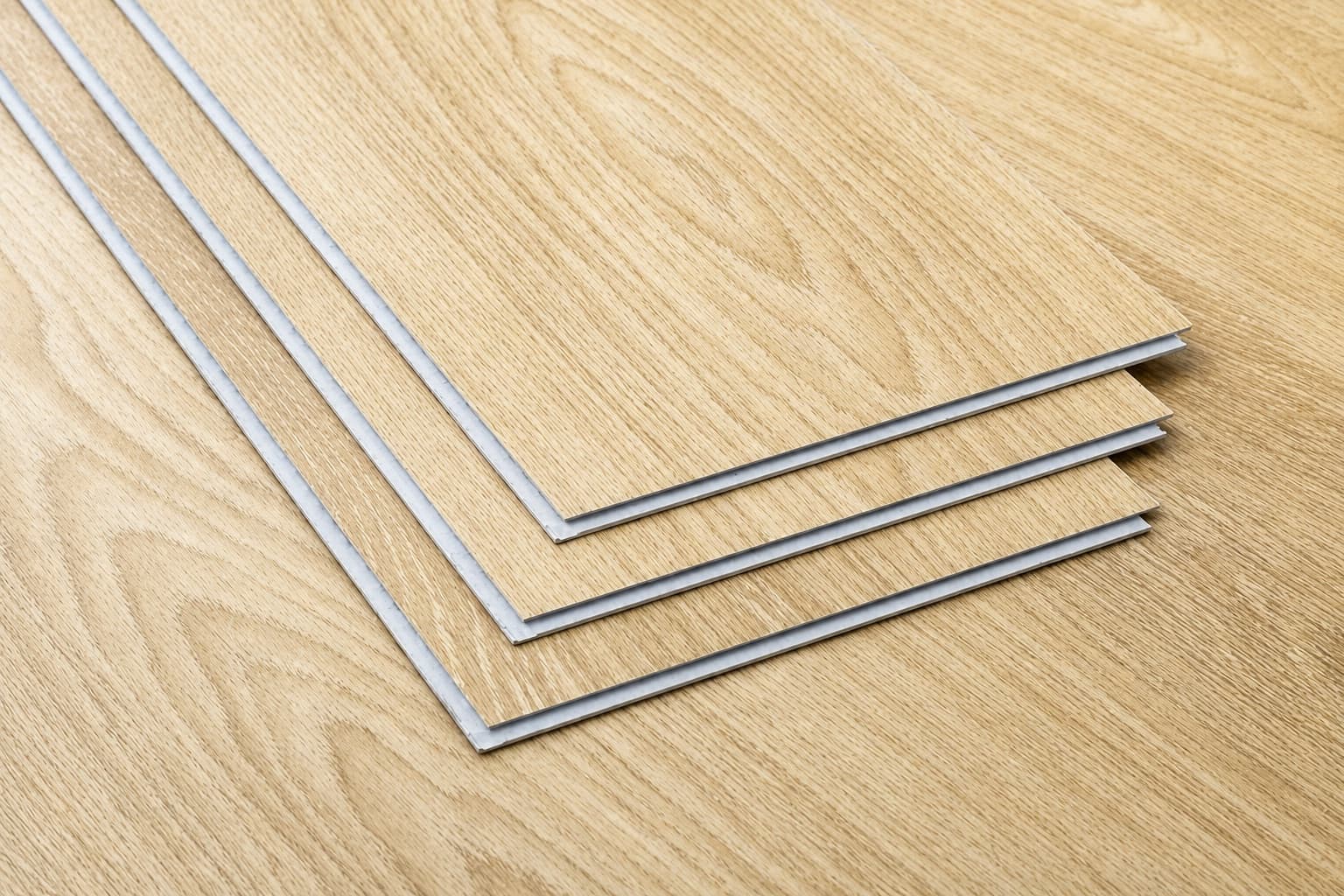
What breaks first
The lock edge, not the showroom colour.
Buyer trap
Some signs feel reassuring, but they do not prove toughness.
A board can feel heavy, hard, and attractive while still having a brittle edge. That is why the lock and core deserve a closer look.
Weak ways to judge SPC
What Enoch checks before recommending
Failure path
Too much filler can make SPC hard, but hard is not the same as tough.
In low-cost products, higher stone-powder loading may reduce material cost. The risk is a core that feels rigid but loses edge toughness.
This is not a claim that every ordinary SPC floor will fail. It is a buying rule: when a product is unusually cheap, heavy, and hard, Enoch treats the lock as the first risk before colour or psf price.
Before quote
A good SPC recommendation starts before the price.
The quote should match the product route, room use, floor condition, and installation scope. Otherwise the cheapest line can become the most expensive repair.
Start with the formula
A supplier should be able to explain why the core is suitable for your home, not only say the board is SPC.
Check the lock edge
The click-lock edge is a weak point. If it chips easily in a sample, it deserves more caution before buying.
Match the room condition
HDB, condo, rental, pet homes, and commercial rooms need different tolerance for traffic, cleaning, and furniture load.
Review installation scope
Subfloor level, door clearance, skirting, transitions, and handover detail can turn a good board into a bad result.
Enoch check
We check the weak point before recommending the floor.
The goal is simple: do not choose a floor only because it looks good in a small sample. Choose the route that can be explained before installation.
Core formula explained before colour selection
SPC route focused on balanced material logic
Singapore quote support for practical project handling
Quote based on room use, area, sample, and timeline
Next step
Before you buy SPC, let Enoch check the lock edge.
Send us the sample photo, board edge, click-lock close-up, product label, room type, area, existing floor and timeline. We will tell you whether the board deserves confidence or should be ruled out.