Flat size and room count
Use the layout to estimate work needed first, then confirm the real area by measurement.
For most HDB flats, the first decision is not colour. It is whether the floor can handle daily use, existing tile conditions, trims, and Singapore humidity.

Use the layout to estimate work needed first, then confirm the real area by measurement.
Check whether current tiles are sound, level, and suitable for install-over-tile planning.
Confirm the board is not only labelled SPC, but also strong enough in core, lock, thickness, and wear layer.
A useful HDB flooring quote starts with flat size, existing floor condition, and the SPC formula. If these are vague, a low psf price can hide weak material, missing trims, or extra preparation.
Use the layout to estimate work needed first, then confirm the real area by measurement.
Check whether current tiles are sound, level, and suitable for install-over-tile planning.
Confirm the board is not only labelled SPC, but also strong enough in core, lock, thickness, and wear layer.

A useful HDB floor is not only a new surface. It has to work with the existing flat, keep the renovation practical, and still protect the click lock after years of walking, chairs, cleaning, and humidity.
Most HDB buyers need a stable daily-use floor that fits the flat, the budget, and the renovation plan. Start with stable SPC before surface colour.
Install-over-tile planning can often work when the existing tiles are sound and level enough.
SPC is usually the first choice because it is rigid, practical, and easier to defend for HDB daily use.
A useful HDB quote keeps material, preparation, skirting, trims, and room work on the same page.
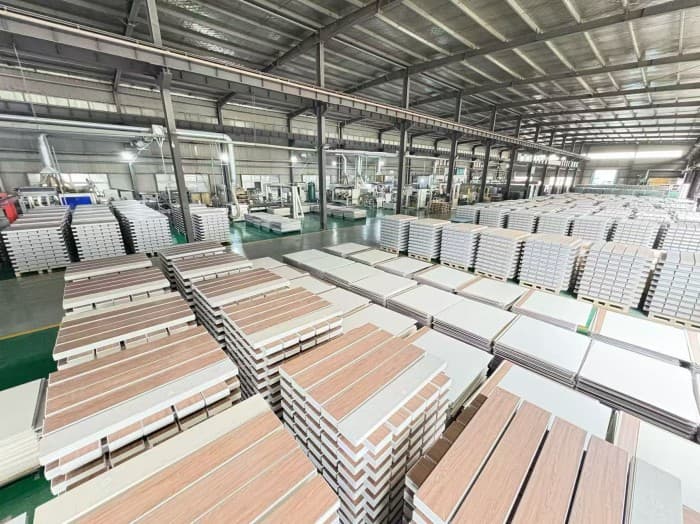
Factory and stock support matter because the final floor is judged by delivery, consistency, and handover, not only by a sample photo.
Use flat size to set the likely band first. Final pricing still follows measurement, existing floor condition, skirting, trims, and the actual SPC chosen for the home.
Smaller resale or new flats where practical waterproof finishes and fast installation matter most.
The most common planning range for living, bedrooms, and trim details in one quote.
More floor area and transitions to plan, especially when matching common spaces and bedrooms.
Larger layouts where premium SPC and underfoot comfort become more important.
A strong HDB quotation clears the flat layout, existing floor condition, and SPC specification first.
Check whether current tiles and subfloor still support the no-demolition plan you want.
Use SPC as the main starting point and confirm thickness, wear layer, core formula, and lock strength before comparing price.
Include bedrooms, living areas, skirting, door transitions, and trim details in the same quotation review.
Start with stable SPC. For most HDB flats, the first question is whether the board is rigid, stable, and strong enough for daily use before you compare sample colour or the lowest psf price.
Often yes, when the existing tiles are sound and the floor is still suitable for install-over-tile planning. The final answer still depends on site measurement and preparation review.
Flat size is only the starting point. The actual room count, floor condition, levelling, trims, skirting, and access all affect the final quotation more than a headline psf figure.
Because 'SPC' alone does not guarantee a strong board. A low figure can still hide too much stone powder inside the core, so the quotation should be checked together with formula, thickness, wear layer, and lock performance.
Once the flat size, existing tile condition, and SPC specification are clear, the quotation becomes easier to compare and low-grade substitution becomes harder to hide.
Request a quotation when the flat type, room work, current floor condition, and preferred finish are ready for measurement.
Request quotationContact Enoch when the job involves multiple flats, phased renovation, commercial areas, access planning, or extra coordination before pricing.
Contact Enoch