SPC vs Vinyl Flooring Singapore: Which Is Better for Your Home?
The same Enoch team that measures sites, plans installations, and hands over finished projects reviews this article before it goes live.
SPC vs Vinyl Flooring Singapore: Which Fits Better at Home?
If you're renovating your HDB, BTO, or condo in Singapore, you've almost certainly encountered two flooring options: SPC flooring and vinyl flooring. They look similar in photos and are often compared around water resistance, but they are fundamentally different products. Choosing the wrong product type can create earlier replacement pressure.
This comparison keeps the decision practical so you can choose the right material before you request measurement and pricing.
Stone plastic composite (SPC) flooring basics
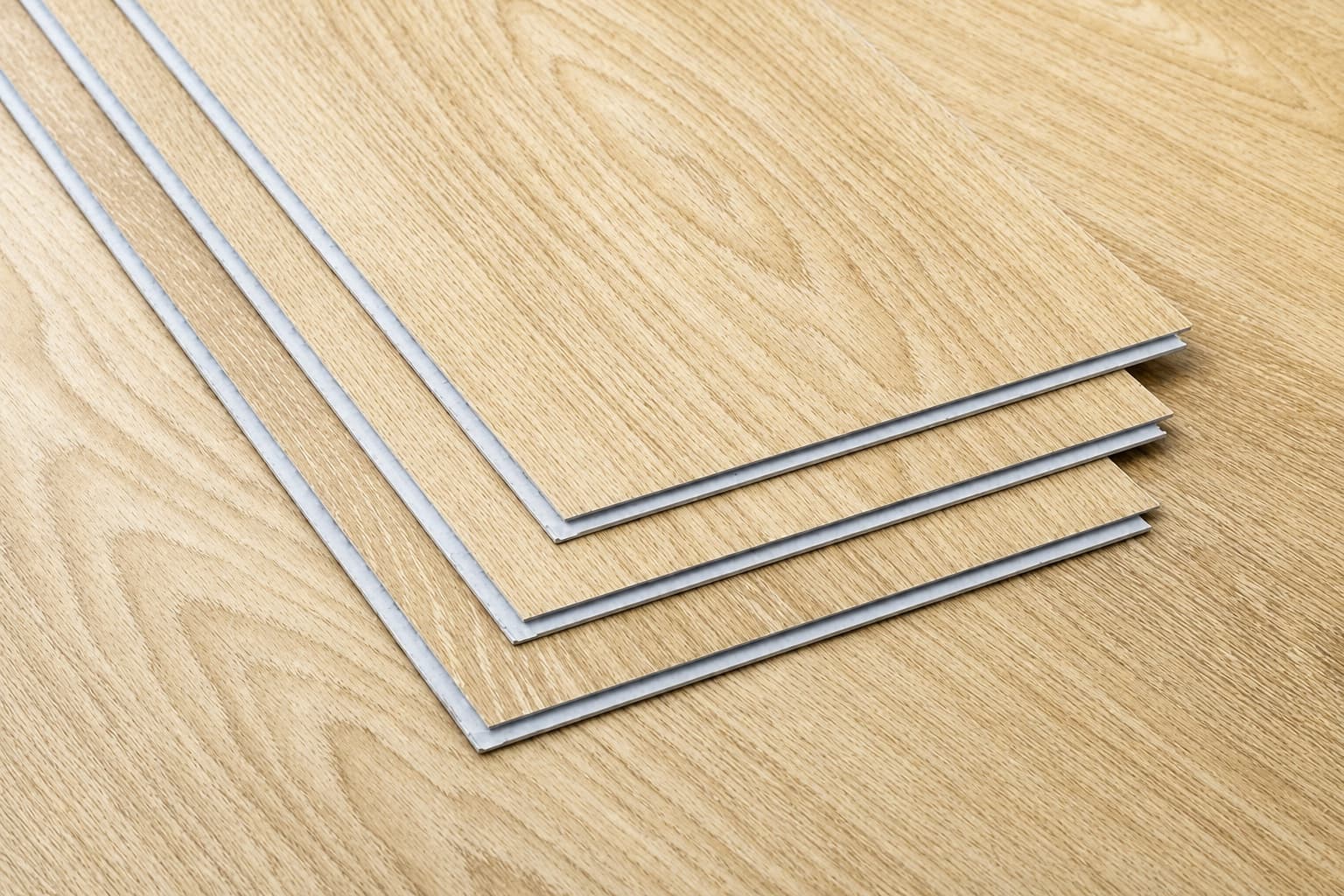
Stone plastic composite (SPC) flooring is a rigid-core flooring option (also called Stone Polymer Core). It's a rigid-core flooring made from a blend of limestone powder, PVC, and stabilisers. The result is a plank that is:
Dimensionally stable — it does not expand or contract significantly with temperature changes
Moisture-ready rigid core — the board is designed for normal indoor floor cleaning and Singapore humidity
Dent-resistant — the rigid stone core resists heavy furniture and foot traffic
Suitable for Singapore's humidity — unlike wood, it won't warp or buckle
Vinyl (PVC) flooring basics
Traditional vinyl (PVC) flooring — also called luxury vinyl tile (LVT) or luxury vinyl plank (LVP) — has a flexible PVC core. It's softer underfoot and generally cheaper, but it comes with significant limitations in Singapore's climate.
Core difference
The practical difference is simple:
Stone plastic composite (SPC) flooring is rigid, stable, and better for long-term homes.
Vinyl (PVC) flooring is softer and usually cheaper, but it needs more care in Singapore's heat.
For permanent homes, most buyers start with SPC and then compare the quotation details.
What to Watch For
Singapore's climate is hot and humid, so flexible PVC flooring can expand and contract more easily. Over time, that can cause gaps, lifting, or visible subfloor marks.
If you are comparing options, focus on three things:
Room fit — does the material suit the actual room?
Quote details — does the quote clearly include measurement, underlay, skirting, and disposal?
Long-term use — how will the floor behave after several years of daily use?
Long-term cost
The cheaper upfront option is not always the cheaper long-term option. A more stable floor often costs more at the start, but it can avoid earlier replacement.
Common Questions
Can stone plastic composite (SPC) flooring go over existing tiles?
Yes. In many homes, SPC can be installed over existing tiles with a click-lock system.
Is stone plastic composite (SPC) flooring suitable for HDB flats?
Yes. It is a common choice for HDB homes because it is practical and stable.
Is vinyl (PVC) flooring still worth considering?
It can work for rental or temporary use, but long-term homes usually benefit from SPC.
Ready to upgrade your flooring? Send your room details, floor plan or photos to Enoch Flooring for a quote. Call us at +65 8973 0135 or request a quote today.
Ready to turn this read into a quote?
Send the room facts, photos, floor plan, or material offer you are comparing. Enoch can check product fit and ask for missing details before price.